How to Dispose of Old Furniture in Beaverton, OR
- September 16, 2026
- Beaverton, OR
How to Dispose of Old Furniture in Beaverton, OR
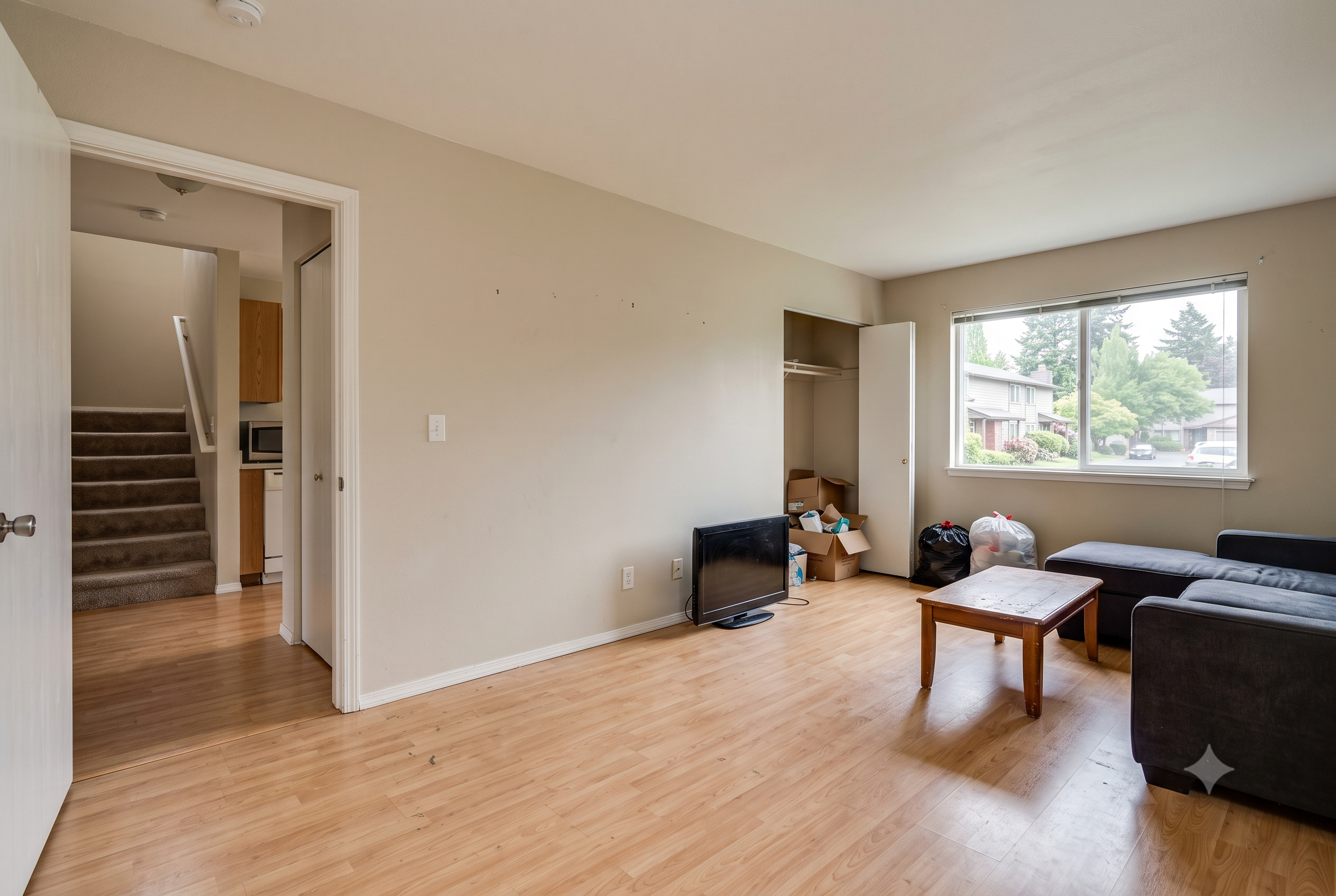
There’s always that one piece of furniture nobody wants anymore, but it just sort of… stays. A couch with a busted frame that never got fixed. A dresser that survived three moves and about a thousand scratches, still parked in the corner because tossing it felt like more effort than keeping it. Most people don’t actually deal with it until it’s blocking a doorway or eating half the garage, and by then the whole thing feels way more complicated than it needs to be.
Beaverton has a handful of ways to deal with old furniture, and honestly some work a lot better than others depending on the piece, its condition, and how quickly it needs to go. This runs through what actually works, what tends to fall apart in practice, and when it’s just easier to call someone.
What Are Your Options for Getting Rid of Old Furniture?
Donation, curbside disposal, or a hauling service are really the three paths most people end up on. Each one fits a different situation, and picking the wrong one usually just means the furniture sits around longer than it needs to.
Donation works well for anything still usable. Curbside disposal can work in limited cases, though it comes with more restrictions than people expect. And a hauling service tends to be the fastest route when there’s more than a single item involved, or when the piece is too heavy or damaged to deal with alone.
Can You Put Furniture Out With Regular Curbside Trash?
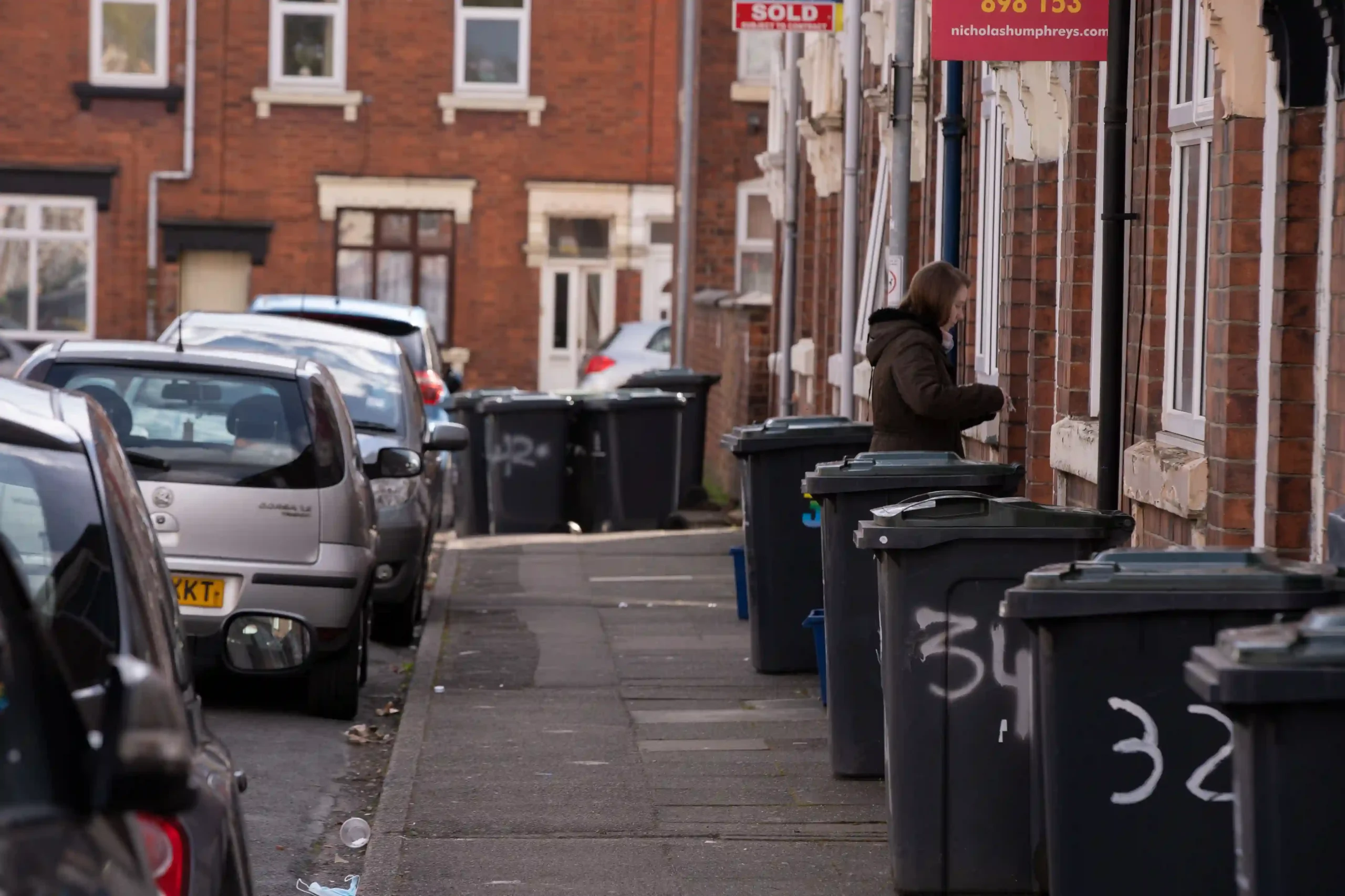
Not usually, no. Most standard trash pickup in Beaverton excludes large furniture entirely, or requires a scheduled bulk pickup with its own rules and fees attached.
A lot of people learn this the hard way, setting a couch by the curb only to watch it sit there through two collection days untouched. Curbside service is built for household bags and bins, not oversized items, which is exactly why a lot of that furniture ends up needing a separate pickup through a dedicated hauling service instead.
Where Can You Donate Furniture in Beaverton?
Several local thrift stores and donation centers accept furniture in fine condition, though some have specific requirements regarding appearance and structure. A stained mattress or a chair with a broken leg typically may not get accepted.
Calling ahead saves a wasted trip. Some centers only take certain categories on certain days, and a few won’t take anything without a scheduled drop off. It’s a good option when the furniture still has real life left in it, just not always the fastest one.
What About Furniture That’s Too Damaged to Donate?
That’s where hauling becomes the practical choice, honestly. Damaged furniture, water stained pieces, anything with mold or structural issues usually gets rejected by donation centers outright, leaving disposal as the only real option.
This is more common than people think, especially with furniture that’s been stored in a garage or basement for a while. Once something’s past the point donation centers will accept, waiting around doesn’t really solve anything.
How Does Moisture and PNW Weather Affect Furniture Left Outside?
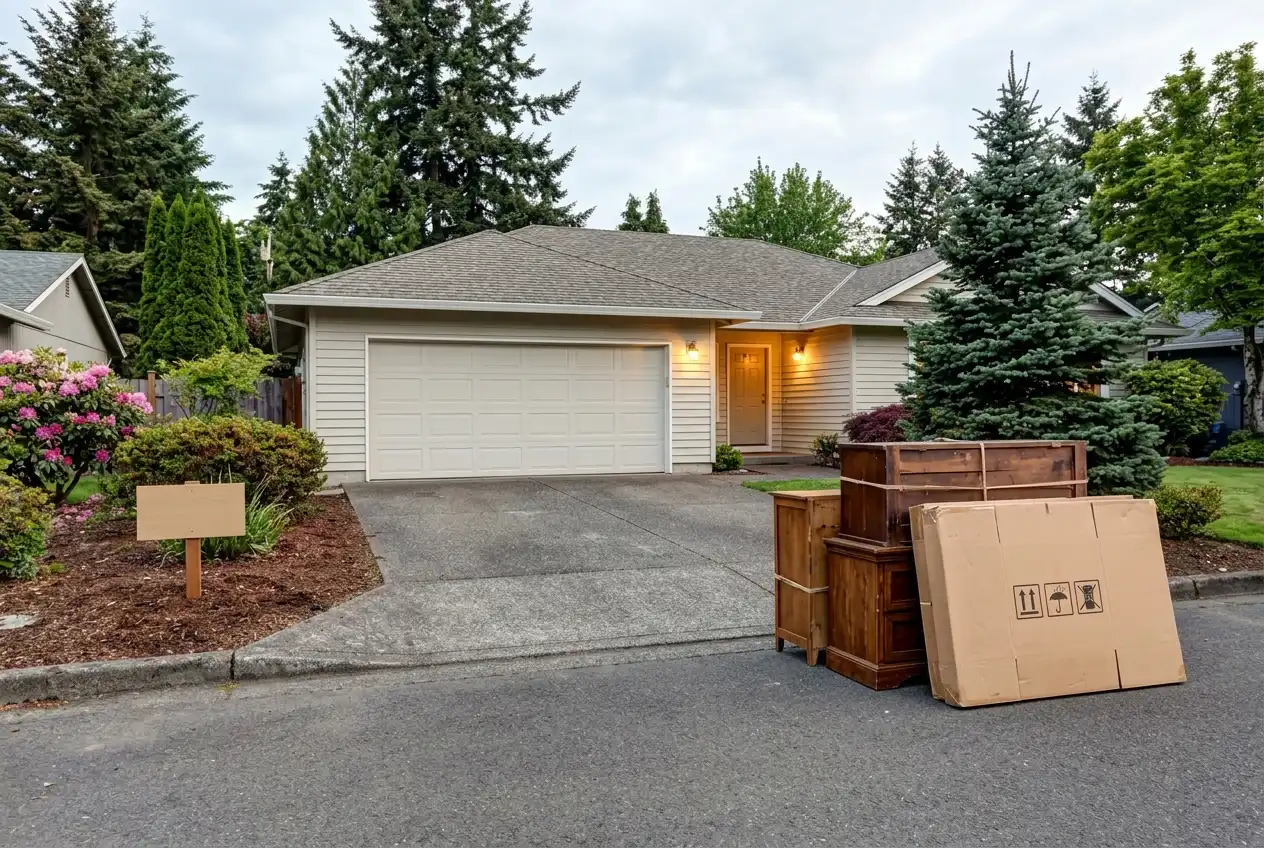
Rain does real damage fast, and Beaverton gets plenty of it. Furniture left outside, even under a tarp, tends to soak up moisture within days, which speeds up mold growth and makes upholstered pieces heavier and harder to move.
Wood furniture warps. Fabric holds water for longer than people expect, sometimes weeks. And once mold sets in, most donation centers are unlikely to accept the piece. If a piece needs to sit outside waiting for pickup, getting it hauled sooner rather than later matters more here than it might in a drier climate.
How Do You Avoid Furniture Piling Up Over Time?
Dealing with pieces as they stop being used, rather than letting them stack up in a garage or spare room, keeps things manageable. It sounds simple, but most people put it off until there’s suddenly five things that all need to go at once.
A few habits that help:
- Set aside furniture for donation as soon as it’s replaced, not months later
- Avoid storing damaged pieces outside, even temporarily
- Schedule a single hauling trip for multiple items instead of dealing with them one at a time
Waiting almost always turns a small task into a bigger, more expensive one later.
Is It Worth Hiring a Furniture Removal Service?
For anything heavy, bulky, or difficult to move alone, yes, usually. A removal service saves the back strain, the truck rental, and the awkward logistics of figuring out where a mattress actually goes once it’s out the door.
It’s also just faster. A single call handles pickup, hauling, and proper disposal without multiple trips or borrowed vehicles. For Beaverton residents dealing with more than one piece, or furniture too damaged for donation, this tends to be the least stressful route by a wide margin.
How Much Does Furniture Removal Cost in Beaverton?
Pricing really comes down to volume, mostly, how many pieces, how heavy they are, that sort of thing. Most companies worth calling will quote it upfront too, before anyone lifts a finger. Makes sense when you think about it. One couch obviously costs less than clearing out a whole room, but people still get tripped up assuming there’s some flat rate that applies no matter what.
Best move is just grabbing a free estimate before agreeing to anything, saves you from any surprise later. Metro Junk Solutions covers furniture removal in Beaverton and the wider Portland metro area, and they keep the same straightforward pricing on smaller jobs like this as they do on the bigger cleanouts.
Should You Donate, Recycle, or Remove It?
Donate: Clean, usable furniture in good condition.
Recycle: Certain metal components or materials may be recyclable depending on local facilities.
Curbside or bulk pickup: Only when the local waste provider specifically accepts the item through that service.
Junk removal: Best for multiple pieces, heavy furniture, damaged items, or situations where you can’t transport the items yourself.
Frequently Asked Questions
Will Beaverton curbside pickup take an old couch?
Not typically. Most curbside programs exclude large furniture, requiring either a scheduled bulk pickup or a separate hauling service.
Can damaged furniture be donated?
Usually not. Donation centers generally reject anything with stains, mold, or structural damage, leaving disposal as the more realistic option.
How fast can furniture removal be scheduled?
Some local companies offer same-day or next-day pickup when availability allows, especially for single item requests.
Does rain affect furniture waiting for pickup?
Yes, significantly. Moisture speeds up mold growth and makes furniture heavier, so getting damaged pieces hauled quickly matters more in wetter months.
Is furniture removal expensive compared to donation?
It costs more than free donation, but far less than the time and effort involved in DIY hauling, especially for heavy or bulky pieces.
Got a piece of furniture that’s overstayed its welcome? A quick call gets a clear price and a pickup that actually happens when it’s supposed to.
Keep Your Lot Off the Repair List
The cheapest pavement repair is the one you never have to make. A simple maintenance plan keeps water out, slows wear, and adds years to your lot for a fraction of what replacement costs. Conte Paving & Construction has kept commercial properties across the Harrisburg area in good shape for over 30 years, from sealcoating and crack filling to full evaluations. Reach out to our Harrisburg asphalt contractors to set up a maintenance plan or get a free estimate on your lot.